
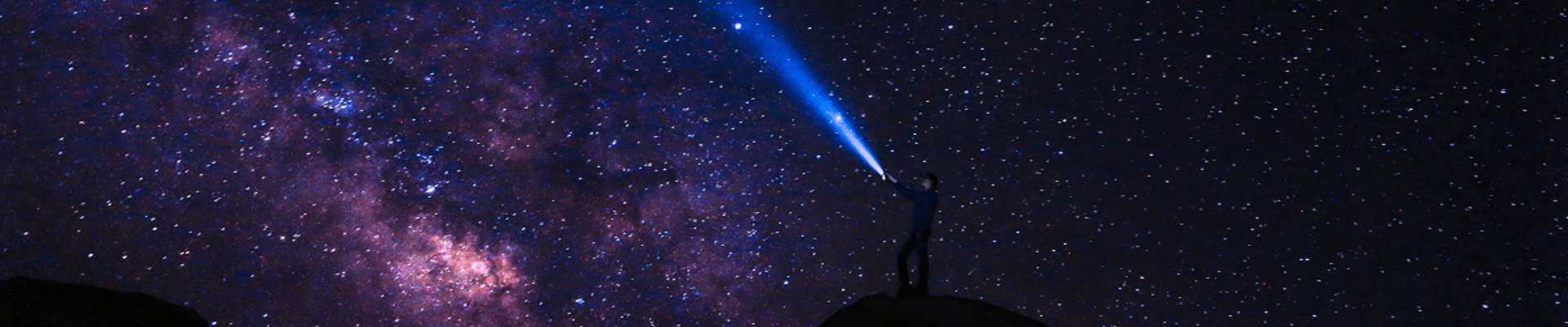


For centuries, humanity has gazed upward, wondering if we are truly alone in the universe. From ancient myths to modern science, the question of alien existence has intrigued, inspired, and mystified us. Are we the sole architects of life, or is the cosmos teeming with undiscovered neighbors? Let’s embark on a journey beyond the stars, exploring evidence, theories, and the profound implications of discovering extraterrestrial life.
The Cosmic Perspective
Our planet is a speck in the vast tapestry of the universe. The Milky Way alone houses billions of stars, each potentially accompanied by planetary systems. Multiply that by the countless galaxies, and the odds seem to favor the existence of life elsewhere. The sheer scale of the cosmos invites the possibility that Earth is not unique.
Scientific Clues
The search for aliens isn’t just science fiction; it’s grounded in scientific pursuit. Astrobiologists scour Mars for microbial fossils, astronomers listen for signals from distant civilizations, and physicists ponder the nature of life’s emergence. Recent discoveries of extremophiles—organisms thriving in Earth’s harshest environments—suggest that life might adapt to conditions previously considered inhospitable. This expands the potential habitats for extraterrestrial life.
The Fermi Paradox
Given the probability, why haven’t we found definitive evidence? This is the heart of the Fermi Paradox. If intelligent life is common, why is the universe silent? Possible explanations include the rarity of advanced civilizations, technological limitations, or perhaps we’re simply not listening in the right ways. Some theorize that advanced life avoids contact, or that civilizations self-destruct before reaching interstellar communication.
UFOs, UAPs, and Government Disclosures
Recent years have seen a surge in reports of Unidentified Aerial Phenomena (UAPs), prompting governments to release previously classified documents. While most sightings can be attributed to natural or man-made causes, a few remain unexplained, fueling speculation. Do these anomalies point to visitors from afar, or are they simply the result of our collective imagination and limited understanding?
Philosophical and Cultural Impacts
The prospect of alien existence challenges our place in the universe. Are we unique, or part of a cosmic community? Ancient cultures imagined gods descending from the stars, while modern thinkers ponder the ethical dilemmas of contact. Would discovering aliens unite humanity or deepen divisions? Would it spark new religious, scientific, and societal revolutions?
The Search Continues
Despite decades of exploration, the question remains open. The pursuit itself is transformative, driving innovation and expanding our horizons. Every mission, from rovers on Mars to telescopes scanning distant galaxies, brings us closer to an answer.
Conclusion
Does alien life exist? The evidence is tantalizing but inconclusive. What’s certain is our relentless curiosity—a trait that may define us as much as any discovery. Whether we find microbes in Martian soil or receive a signal from another world, the journey to uncover the truth is as wondrous as the answer itself. Until then, the question remains, echoing through the cosmos: Are we alone?
Final Thought
Perhaps the greatest discovery will not be aliens themselves, but a deeper understanding of our own place in the universe. As we continue to search, we expand not just our knowledge, but our sense of wonder and possibility.
What do you think? Are aliens out there, waiting for us to find them? Or is Earth a solitary oasis in an endless cosmic desert? Let your imagination soar and join the conversation!